
Elevating Guest Experience through Design Innovation

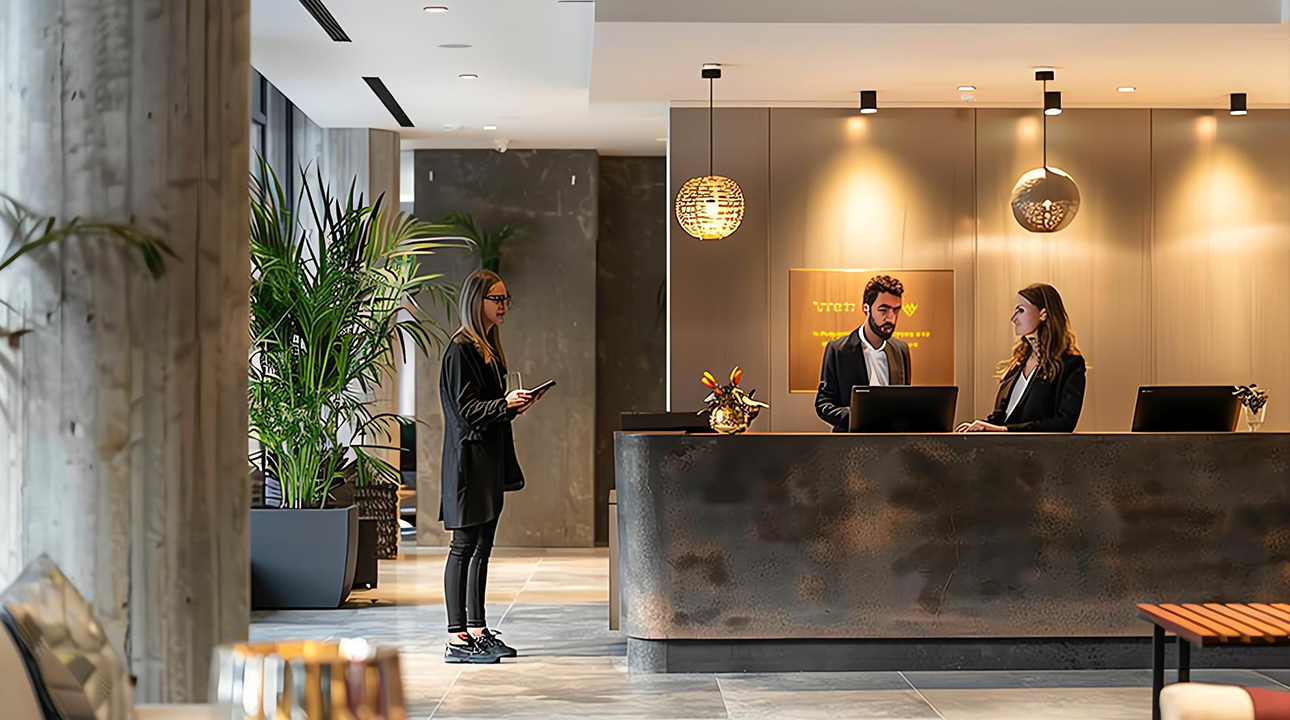
In hospitality, design is more than aesthetics—it’s a language that speaks comfort, identity, and purpose. As the expectations of modern travelers evolve, design innovation has emerged as a critical driver in shaping memorable guest experiences. From how a lobby welcomes you to how a room calms you, thoughtful design influences every touchpoint.
At SelNoir Hospitality Consulting, we believe that exceptional guest experience begins with intentional design—design that is not only beautiful but intuitive, immersive, and emotionally intelligent. Here’s how design innovation is redefining the guest journey and setting the stage for lasting loyalty.
1. First Impressions That Tell a Story
Your lobby is more than an entry point—it’s your brand’s opening statement.
- Use architectural storytelling to reflect the cultural and geographic context of your property.
- Incorporate statement pieces, local art, and sensory elements (like lighting, scent, and sound) to evoke emotion and curiosity.
- Ensure the space is both functional and flexible, allowing for social connection, relaxation, or private retreat.
Design that connects emotionally makes a lasting first impression.
2. Room Design with Purpose and Personality
Guest rooms are no longer just places to sleep—they’re sanctuaries, workspaces, and living areas.
- Focus on multifunctional furniture and spatial flow to suit modern, flexible lifestyles.
- Use neutral tones with natural materials for calming environments, punctuated by bold design elements to add character.
- Integrate tech-forward conveniences—from smart lighting to intuitive climate control—seamlessly into the design, without overwhelming the guest.
Innovation lies in balancing form, function, and feeling.
3. Biophilic Design for Well-Being
Bringing nature into the built environment is more than a trend—it’s a wellness strategy.
- Introduce natural light, indoor greenery, and organic materials to reduce stress and enhance guest well-being.
- Create visual connections to nature with garden views, water features, and open-air layouts.
- Design outdoor spaces (courtyards, terraces, rooftop lounges) as experiential extensions of indoor environments.
Guests increasingly seek hotels that restore and rejuvenate—biophilic design answers that call.
4. Sustainability Embedded in Aesthetics
Sustainable design is not just responsible—it’s luxurious when done right.
- Use recycled or locally sourced materials that are both eco-conscious and high-end.
- Opt for energy-efficient lighting and smart appliances that blend seamlessly into the guest experience.
- Highlight your efforts through subtle design storytelling, showing that sustainability and style can coexist.
Design innovation today must also consider tomorrow.
5. Technology that Enhances, Not Interrupts
Modern guests expect convenience—but they also crave human connection.
- Use design to integrate smart technology invisibly: motion sensors, wireless chargers, voice control, and touchless access.
- Prioritize UX-centered layouts, ensuring that technology is intuitive and accessible to all guests.
- Provide both digital and analog options, respecting diverse preferences for how guests engage with their environment.
Good design supports technology—but never lets it overpower the space.
Final Thoughts
Design innovation is the foundation of transformative hospitality. It creates environments where guests don’t just stay—they feel, connect, and remember. At SelNoir Hospitality Consulting, we work with hospitality leaders to craft design strategies that are guest-centric, brand-aligned, and future-ready.
Because the spaces we create are not just built—they’re experienced.
Elevate your design, elevate your guest experience.
Looking to reimagine your space with purpose and impact? Partner with SelNoir Hospitality Consulting to bring your design vision to life with intention and innovation.
Company
Newsletter
© 2025 Selnoir. All Rights Reserved.